Thursday, July 21, 2016

How to Run Your First Webinar (with No Skills, No Stress and No Budget)

It’s just too scary, isn’t it?

You see all those fancy schmantzy bloggers offering webinars.

And everyone and their cat is queuing up to watch them.

They have the authority; they get the attention.

Yes, I bet it’s crossed your mind to do it too.

After all, webinars are supposed to be the hottest thing on the Net.

But to run a webinar yourself? It’s just too damn scary.

There’s the huge cost.  And how to even start creating a webinar, let alone broadcast it?

It’s beyond the reach of a blogger like you, right?

I’m here to tell you something: the world of webinars has changed.

It’s now affordable. It’s easy. You can do it.

In fact, you should do it.

Here’s why…

Why Serious Bloggers Love Webinars (Even if They Don’t Have Anything to Sell)

If you blog about any topic that more than a handful of people care about, you’ll be up against fierce competition.

Many bloggers will be fighting for the attention of your audience, and from the outside looking in, little will distinguish you from them.

Rise above the mass of wannabe bloggers.

So if you want to rise above the mass of wannabe bloggers, running webinars is a savvy option. Here are the benefits:

  • You transform your ideas into events. As the experienced blogger Chris Garrett says: You get the opportunity to create a sense of event around your ideas, value and information.
  • You forge a unique bond with your readers. Watching you on live camera is the next best thing to seeing you in person. Not only can they see you, but they can also interact with you. And in the future when they read your content, they’ll hear your voice.
  • You become an authority. When you appear as a presenter and give value to your readers, you create fans who respect you as an authority.
  • You increase your blog traffic. Online events, like webinars, are like magnets. They attract traffic and generate new subscriptions.
  • You can earn a little money. If you review, promote, or talk about a product in a webinar, you can make sales and earn income.

But if webinars are so damn sexy, why don’t more bloggers use them?

The honest truth?

Because they’re scared.

Why Most Bloggers Are Scared Witless by Webinars

Let’s face it.

Running a webinar sounds daunting.

The technology seems like a scary challenge.

And then there are those embarrassing glitches you hear about…

Like the guy who talked for thirty minutes before noticing that people could hear zilch.

Or the trolls who stalk webinars and disrupt presentations.

Shit happens, but most problems are avoidable.

Bottom line: you have to practice before you go live.
Shit happens, but... most problems are avoidable.

Unfortunately, I headed into my first webinar ever with the attitude, “I haven’t got time to practice, but, hey, it can’t be so difficult!”

The webinar ended in chaos. Here’s what went down…

It was in 2009. Leo Babauta and I had just created a blogger training course, called  A-List Blogging, and we decided to run a webinar as part of our launch.

The software we used at the time allowed us to appear live on camera. It looked easy, so I didn’t bother to practice.

The plan was that I would start the webinar and Leo would appear after my introduction.

We agreed to meet up as presenters in the software’s “green room” a few minutes before kickoff.

But Leo was nowhere to be seen.

I waited a few minutes and then started the webinar without him.

I was rattled.

After a little while, I said to the participants:

“Er… sorry, folks, I seem to have mislaid Leo.”

“WHAT!?” The chat-box erupted with questions.

It wasn’t a good moment.

Suddenly, a few lines appeared in the chat box, written by Leo. He couldn’t get into the system as a presenter so he entered as a participant to let everyone know he was locked out.

I soldiered on.

Now and then, Leo popped up in the chat to say he was still trying to get in.

The participants got involved:

“Leo, REBOOT!”

“Mary, has Leo got the right password?”

“BUY A NEW LAPTOP, MAN!”

Leo never managed to show — and the webinar slowly slid into chaos.

And when I think about it today, I still feel a little sick.

Since that time, I’ve learned how to run goof-proof webinars.

And I’ll tell you exactly what you need to know to run successful online events.

But first, let’s consider what content to choose for a webinar.

How to Choose a Webinar Topic Your Readers Can’t Resist

Most people are busy, and leisure time is in short supply. So if your webinar topic is boring as bat’s piss, they’ll chill out with funny cat videos on YouTube instead.

To get your readers to watch, you must wow them with a topic that’s as satisfying as placing the final piece in a puzzle.

But how to pick the right topic?

Hidden in your blog are two sources of fail-safe webinar topics: your list of popular posts, and the list of keywords that lead readers to your site.

Find your hidden sources of fail-safe webinar topics.

Take a look at your ten most popular posts and think about repurposing them as a webinar.

For example, on my blog WritetoDone.com, three of the ten most popular posts are hot contenders for webinars, How to Write Better: 7 Instant Fixes, 201 Ways to Arouse  Your Creativity, and How to Finish What You Start: A Five-Step Plan for Writers.

I’m sure you can imagine how these topics would lend themselves as content for a webinar. In fact, 201 Ways to Arouse your Creativity could be transformed into a whole series of webinars!

A webinar is an opportunity to drill down into the topic of a popular post. It’s your chance to expand what you wrote, give detailed suggestions, offer examples, and discuss questions.

The second source of content for success-prone webinars are the keywords people use to find your blog. If you have Jetpack installed, you can find them in the Site Stats section, or you can look in Google Analytics (under Acquisition > Keywords > Organic).

For example, the following keywords brought readers to Write to Done on a recent day:

Things to write about

Sexs (yes, written like that!)

Writing dialogue

How to write better

How to be a writer

… And the list goes on and on.

Apart from the second keyword [YIKES], all the others would be great starting points for creating webinar content.

But what about your blog?

What keywords do people type in to find you?

Once you’ve picked your topic, you’ll be itching to create content right away.

However, I suggest holding off until you get a tight grip on the technical aspects of running a webinar. Creating content is much easier once you understand your webinar basics.

How to Run Webinars Like a Pro (Without Spending a Dime)

With the advent of Google Hangouts on Air, it’s possible to run webinars for free. And you can accommodate unlimited participants!

It can be a little tricky if you don’t know what you’re doing, but this post will give you all the information you need for a confident start.

(When it’s time to scale up your webinars, you can buy some cool webinar software that integrates with Google Hangouts on Air, such as WebinarJam (aff) or Easy Webinar Plugin (aff). They offer additional functions, like integration with autoresponders, having the option of more than one presenter, using high-converting registration pages, and so on. However, you have to shell out at least $297 for either of these two solutions.)
Run your webinars with the confidence of a pro!

Here is how to set up and run a webinar on Google Hangouts on Air.

Hangouts on Air integrates with YouTube, and your webinar will be streamed out live on your YouTube account.

To run Google Hangouts on Air (HOA), you need to connect your Gmail account with Google Plus and YouTube.

If you don’t already have a Gmail account, set one up here.

Actually, set up a second Gmail account as well. You can use this account to test your HOA webinars.

Go through the following setup steps both for your main Gmail account and for your test account. You need to …

Tip: In order to run webinars that are longer than fifteen minutes, you need to increase your time limit on YouTube by verifying your account.

Congratulations, you’ve now got the technical setup complete!

Now it’s time to get cozy with running a webinar. And there’s only one way to get confident: practice!

How to Make Sure Your First Webinar Runs Without a Hitch

You need to practice thoroughly before you run a public webinar.

Think of your training as having four stages.

Stage 1: Get to grips with Google Hangouts

They’re very similar to Hangouts on Air but are not streamed out live so you can keep your early efforts private.

You can practice on your own or invite a small group of friends to join you.

Here’s how to start a Hangout.

Go to your Google+ homepage, moving the cursor over the Home menu on the top, left-hand side to see the drop-down options. Click on Hangouts.
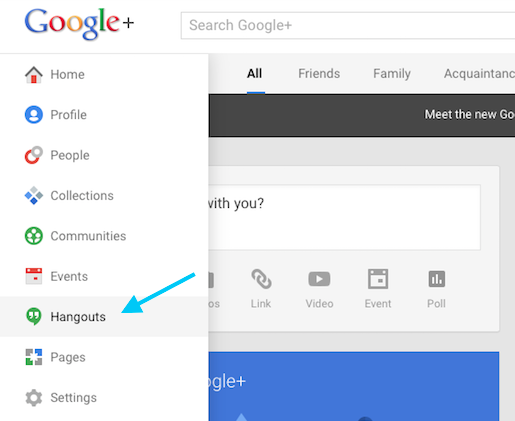
Google Hangouts

On the next page, click the Visit hangouts.google.com button.
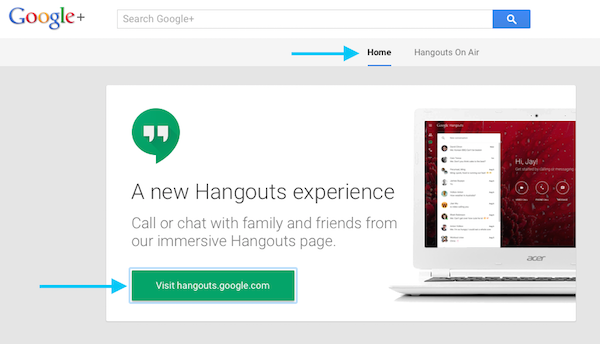
Visit Google Hangouts

From there, practice using the various tools, apps, and icons.

Practice before going public.

You might also like to try creating some basic slides using PowerPoint or the SlideShare app on Google Drive.

Note: if you want to present a slideshow in your webinar, make sure your slides show up in a separate window. (Click here to find out more about crucial settings).

Stage 2: Learn how to set up an Event on Google+

Tip: use your test Gmail account to practice setting up events.

First, click on Events in the same drop-down sidebar menu as before, or click on Event in the share bar.
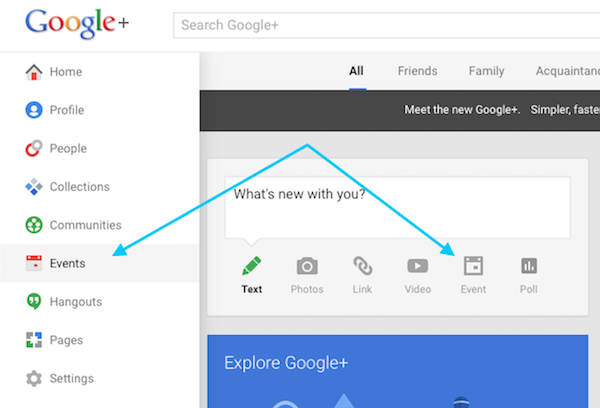
How to set up an event on Google+

You can find step-by-step instructions on how to set up a Google Event here.

Stage 3: Practice starting a Hangout on Air

You can start a Hangout on Air either from your Google+ home page, or from your YouTube account.

I find it easier to start from YouTube.  

First, click on the Upload button.
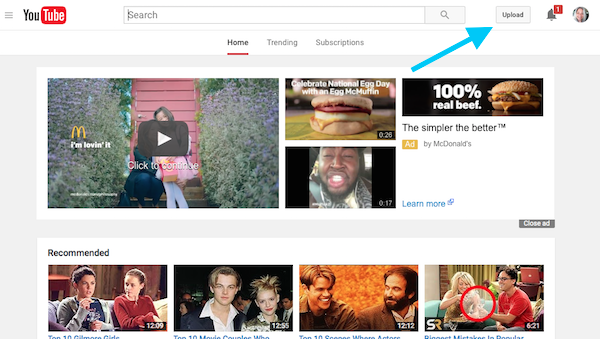
Start a Hangout Air from YouTube

From there, you’ll see an option for starting a Hangout on Air.
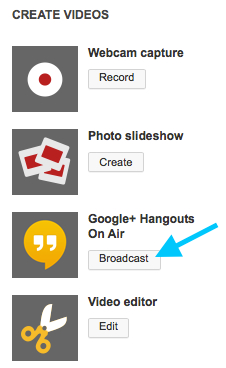
Broadcast HOA

You can find out exactly how to do it here.

Stage 4: Bring it all together and create a test webinar

Now you’ll integrate what you’ve practiced so far.

Use the following steps:

  • Set up an Event on Google+.
  • Send an invitation to yourself at your second email account.
  • Schedule the event 30 minutes ahead.
  • Start the Hangout on Air by going to your YouTube account.

Give your Hangout on Air the same name as the event you created.

Once your HOA is set up, you’ll need to grab the embed code for your blog page, as well as the link for your Google+ page.

You can find the Links icon at the bottom right-hand corner of your HOA.
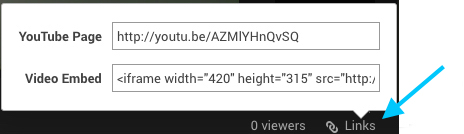
Grab the Google HOA embed code

When you embed the YouTube code in the Text Editor of your blog page, I suggest changing the size to “640” width and “360” height to make the video bigger.

The YouTube Page link needs to be placed in the Events section on Google+.

Click on your event and select Edit Event.  From the Event Options button, select Advanced and then, Show more options to reveal the YouTube input field.
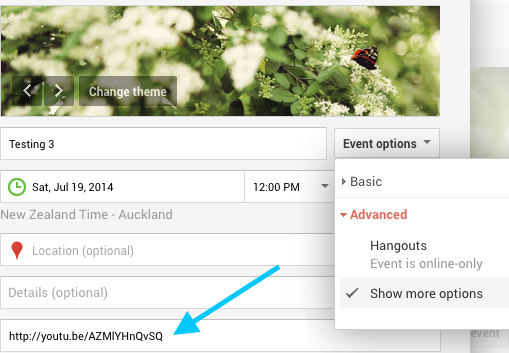
Embed the YouTube HOA link.

Once you’ve embedded the code in a draft page of your blog and have inserted the link on the Google+ Event page, your webinar is ready to be broadcast.

Click on the green Start Broadcast button on your HOA to make your webinar go live.

You can download an essential report on how to troubleshoot webinars using Hangouts on Air. Grab it here (it’s free).

Now that you’ve come to grips with the technical side of webinars, let’s get creative and give shape to your content.

How to Design a Webinar to Engage Your Audience from Beginning to End

For killer webinars, the classic three-act structure works best.

The first act is the introduction which includes your story of why you’re passionate about the topic. The second act is the main presentation, and the third act is the question and answer session.

Here is my blueprint for forty-minute webinars:

  • 5 minutes for the introduction and personal story
  • 25 minutes for the main presentation
  • 10 minutes for the Q&A

A key part of your main presentation is the last five-minute stretch. Always end with a call to action. If your webinar is educational or inspirational, suggest one simple action your viewers can do today.

And make sure you know what’s in it for you too. Ask them to sign up for your email list or like your Facebook page.

If you’re using your webinar to sell a product, use the last five minutes before the Q&A to explain how the product solves a problem you’ve been talking about, and encourage people to buy it now.

Blueprint for a killer webinar.

Here’s the process of creating a webinar.

First, create a rough outline of the introduction and the main presentation with headings, subheadings, and bullet points.

Next, decide on an approximate length of each section so that you can work out how many slides you need — five slides per minute is about right.

In order to create slides, you need some presentation software. Depending on whether you have a PC or a Mac, you can use PowerPoint or Keynote to create slides.

Another option is to use the Google Slides app, which you can access on Google Drive for free.

A key technical point is that your slide presentation needs to show in a new window. Both PowerPoint and Google Slides have settings for this, but using Keynote is more complicated. I explain more about this (including a work-around for using Keynote) here.

When you create slides, use text only with big bold headlines.

Once you’ve created your slides, you can go back and add images for extra emphasis.

Of course, you’ll be speaking to your audience as you show each slide. You might be tempted to wing it, but write a script to follow. Believe me, you’ll feel more confident if you have the words you want to say in front of you.

How to Make Sure the Camera Loves You (and Your Fans Will Too)

People love seeing their favorite bloggers live on camera because they feel connected in a way that’s difficult with writing alone.

But most of us don’t like how we look on camera. However, the truth is that talking, smiling, laughing — even making mistakes — on camera endears us to our readers.

You don’t need a “TV-face” to be successful, but you do need to know something about the psychology of relating to your viewers on video.

The key factor is camera placement. The camera needs to line up exactly with your eye-height.

Here’s why.

If the camera is below your eye height, attendees will get the feeling that you are “talking down” to them.

On the other hand, if the camera is above your eye height, attendees sense that you’re looking up to them and lack authority.

So line up the camera exactly with your eyes.

Connect on camera - your readers will love it.

If you’re using a web-camera on your computer or laptop, you may have to balance it on a stack of books or adjust the height of your seat to achieve the right height.

One of the advantages of systems that use Google Hangouts on Air is that you can choose between appearing live on camera and showing slide presentations. This also means you don’t have to be on camera every second of the webinar.

For example, you can start live on camera, then follow on with your slide presentation and appear live on camera again for the question and answer session.

So now that you’ve created your webinar, it’s time to let people know about it. After all, you want your fans to show up for your online event.

How to Create Irresistible Buzz for Your Webinar that Gets People Queuing Round the Block

You can create a great webinar. But what if nobody watches it?

The best way to create buzz around your event is to treat the lead-up like a mini-launch:

  • Get participants to register for your event. It’s a good idea to set up a special email list with a corresponding signup form to use for registrations. You can do this easily if you’re using an autoresponder service like Aweber (aff) or Mailchimp. You can create an automatic response that gives them the URL of the page where you’ll embed your webinar.
  • Write a blog post that gets readers fired up about your webinar topic. You can heighten anticipation by opening up questions in your post and promising to answer them in the upcoming webinar. Place the webinar registration form at the bottom of your post and make a point of asking people to register.
  • Email your subscriber list. Once you’ve announced the webinar on your blog, send out a series of emails reminding the people on your main list to register. In his ebook, The Ultimate Webinar Marketing Guide, (aff) Lewis Howes suggests sending out a sequence of three emails as a mini-launch. The first email could go out a week before the webinar, the second one four days prior, and the last one on the day before the webinar.
  • Use social media to keep the buzz going. Don’t forget to use social media to let people know about the webinar. And reach out to other bloggers to let them know about the event too.

Build some buzz so people line up to watch.

Another fantastic way to build buzz is to write a guest post on a popular blog covering a related topic and announce your webinar in the author byline. This takes some effort and planning but could have a huge impact on the number of attendees.

In general, you can expect about 25 percent of those who have registered to actually attend. To boost that number, send out an email just before you start the webinar to people who’ve registered.

It’s Time to Join the Ranks of the Webinar Pros

If you’re serious about becoming an authority; and want more traffic and subscribers, webinars are an opportunity you can no longer ignore.

You might think webinars are scary and costly, but the arrival of Google Hangouts on Air means that with a little practice you can run slick, successful webinars at zero cost.

But the big question is: will you take action?

Because let’s face it, most people don’t; taking action requires grit.

So they stay hidden in the background, just another wannabe blogger who’s too meek to truly connect with their audience.

But that’s not you, right?

Because you’ll take the steps laid out in this post and put them into action.

You know this is your chance to finally rise above the mass of wannabe bloggers.

So grab it.

Use it.

Enjoy the attention and become a true authority!

About the Author: Mary Jaksch is best known for her exceptional training for writers at WritetoDone.com — where you can grab a copy of her free report, How to Create an Irresistible Lead Magnet in Less Than 5 Hours. In her “spare” time, Mary’s also the brains behind AlistBlogging.net. and GoodlifeZEN.com, a Zen Master, a mother, and a 4th Degree Black Belt.


from
http://redirect.viglink.com?u=https%3A%2F%2Fsmartblogger.com%2Fyour-first-webinar%2F&key=ddaed8f51db7bb1330a6f6de768a69b8


Thursday, July 14, 2016

9 Essential Books That Will Transform Your Writing Forever

Admit it.

You have several half-read writing books stacked up on your nightstand, several more squirreled away in a desk drawer and a dozen more on your Amazon wish list.

You scrutinize all the books that “customers also bought” looking for those one-of-a-kind books that will transform you into a great writer. You jump “inside the book” to read the table of contents and credits and page through the free preview.

Searching for the magic formula.

The formula that will erase the silent self-doubt. The nagging thought that you’re not quite good enough as a writer.

Books have an uncanny power to teach us, to transport us, to move us light years beyond our ordinary lives. If we could only find the right books, the tried-and-true books written by trusted masters. So we keep looking.

And once in a while you find a writing book that speaks to your heart and gets to the core of what you’re struggling with right now. It changes you. It changes your writing. It changes your life.

Because mastering the craft of writing depends upon your continuing education as a writer. It means you regularly upgrade and fine-tune your skills.

The 3 Critical Disciplines You Need to Develop as a Writer

1. Brutal Honesty

First, you need to cultivate a brutal, raw honesty. You need to accept that not every word, every emotional thought, every adjective-loaded sentence that flows from your hot fingertips is precious.

I mentored many rookie reporters who had a cocky, almost swaggering pride at where their writing skills landed them out of college. A few weeks in a newsroom with a couple of crusty copyeditors exploded that attitude. Then, they were ready to listen.

Objectively, unemotionally and dispassionately analyzing your writing is one of the most valuable skills you can develop to further your writing opportunities. And as a side benefit, you’ll also be able to handle scathing criticism from ruthless editors.

2. Linguistic Appreciation

Secondly, you need to develop an ear and eye for the flow of language.

Good writing has a rhythm, that deliberate cadence the writer creates in your mind as you read. Marvel at the perfectly placed and exquisitely balanced use of illusion, surprise and metaphor, and crave to imitate it.

Because if you don’t learn to appreciate the music and poetry in other writers’ work, you’ll never cultivate it in your own.

3. Insatiable Curiosity

Thirdly, you have an insatiable desire to learn anything and everything to improve your writing, the openness to accept constructive criticism and the commitment to sit with your bloated prose and edit until it sparkles.

Yes, writing is a solitary craft. And learning to improve our writing can feel like solitary confinement without guidance and reassurance. We can learn from teachers, from workshops, from books, but ultimately success is up to us, alone with our notepad or laptop.

The 3 Types of Books You Need to Grow as a Writer

There are three broad types of books about writing:

  • Books that teach the mechanics of language – style, grammar, editing, etc.
  • Books that teach structure – how to structure your thinking, your frame of mind and approach, and structure a story or other particular literary form.
  • Books about being a writer – how to navigate the unique inner life of a writer.

Of course, most writing books will touch upon each type of writing advice. But to improve your writing skills in the fastest and most effective way, you must understand what you need to grow as a writer right now and choose the appropriate book to help.

The 3 Stages of Writer Development (and What to Read Based on Where You’re At)

We have writers of all levels of experience and ability reading Smart Blogger and in our GuestBlogging training program and Serious Bloggers Only community. They typically describe themselves in one of three stages:

1. The Novice Writer

You’re a brand-new writer who felt an inner switch flip on, and now a river of ideas is pouring out of your head. You know your writing needs work – lots of work – but you are compelled to keep writing because you feel powerless to staunch the flow. And even if you could stop, you wouldn’t want to.

What to read: Ideally, you should be reading both books on mechanics and structure. But the books on the mechanics of language will likely bore you to death right now. It’s far better for you to learn structure and good thinking habits early, and work on the mechanics later.

Think of it from an editor’s point of view: A poorly written but well-structured piece of writing can be polished. A poorly structured and poorly written piece is a nightmare, and rarely worth the editing effort it demands. The writer doesn’t understand his topic, hasn’t thought it through with clarity and is clueless on how to engage the reader.

2. The Competent Writer

You’re a decent writer and have lots of ideas, but you often aren’t sure where to begin. If you’re honest with yourself, your writing is okay with occasional stellar moments.

What to read: Start with books on approach and structure that will help you think through your ideas before you put them on the page. Often, with good writers, the best writing happens in your head before you even jot down a sentence.

If you’ve been writing in a certain style or format for a while — such as blog posts — cross train in another genre. (More on this later.) Study the structure of screenwriting, novel writing or poetry for six months or until it feels nearly second nature to shift into this new form. The change in your writing will be dramatic and permanent.

Once you’ve improved structure and approach, pick one or two mechanical fixes to work on as you rewrite and edit with your new eyes.

3. The Seasoned Writer

You’ve written a lot for a long time and have the mechanics mastered. But your writing experience has been centered in business, academia, medicine, law or other utilitarian venues. You’re ready to write fiction, or use the life lessons you’ve learned to help others through your blog, but you’re struggling to share your own ideas in your own voice. You recognize that your writing is solid, but it lacks warmth and sparkle.

What to read: Immerse yourself in books about being a writer and the writer’s life. Leisurely read some writer memoirs, and you’ll be startled by how similar your doubts and struggles are. Try on a few silly new rituals, like writing poetry by candlelight or stream-of-conscious journaling in the pre-dawn hours to change up your point of view.

How to Know Exactly Which Books to Read First

Before we dive into our list of essential books, let’s talk briefly about the best way to use it.

If one of these writing stages resonated strongly with you, jump down to our favorites in the three categories below and start there. If you’ve already read our favorites, you might want to read them again with a fresh mind and notebook handy.

If you don’t feel you fit neatly in one of those stages, grab the book that excites you the most, right now, as you read about it here. The one that jumps up and gently taps you on the cheek like a hungry cat to get your attention.

Start there and take the time to import the ideas and exercises into your current writing immediately. Thinking about it won’t make it so; you must put these concepts into practice. Even 30 minutes a day will make a noticeable difference in a short time.

“The art of writing is the art of applying the seat of the pants to the seat of the chair.”
— Mary Heaton Vorse

The Only 9 Books on Writing You’ll Ever Need

Think about this: in the next hour, you have the ability at your fingertips to tap into the world’s best books on writing and begin the next stage of your transformation – if you’re willing to make the commitment of time.

The following books will make the difference, and each is around $10 on Kindle or less, so download and begin.

Books on Mechanics of the Language

*On Writing Well: The Classic Guide to Writing Nonfiction by William Zinsser

Favorite: Best book on the mechanics of the language

On Writing WellI was fortunate to find On Writing Well while I was working at my first newspaper and realized my editors, excellent grammarians all, could not teach me anything more about significantly improving my writing. This one book changed the trajectory of my career as a journalist from a mediocre, but promising, community reporter at a large twice-weekly paper to an international business reporter at a respected metropolitan business paper.

Originally published in 1976, Zinsser’s tips on mechanics, structure and thinking have stood the test of time for generations of writers of all kinds. His principles are equally sound for today’s bloggers, fiction and non-fiction writers and any kind of digital publisher.

Categories: Primarily mechanics but interwoven with thinking and structure

What’s in it for bloggers: If you read only one book on improving the structure and mechanics of language, make it this one. An added benefit: You’ll learn a lot from Zinsser’s easy, conversational writing voice that you can apply to your own blog.

Buy this book on Amazon.com

Books on Structure and Frame of Mind

*Save the Cat, by Blake Snyder

Favorite: Best Book on Structure

Save the CatSave the Cat is essentially a formula book, focused on the structure of screenplays. It’s similar to Story Engineering (below) in that it explains the structure and elements of a screenplay, but is more approachable. Think of it as an introductory college course that teaches you the basics.

You’ll learn the main story archetypes, how to structure a good screenplay, and more subtle techniques like how to create a character the audience loves almost immediately.

One of Jon’s favorite writing books, you’ll be able to write a decent screenplay with Save the Cat if that’s your goal. He calls it “Headline Hacks for storytelling – fill in the blanks.”

Categories: Primarily structure and formula

What’s in it for bloggers: A blog is a performance and you’re the main character. Learn how to make an audience fall in love with you.

Buy this book on Amazon.com

Story Engineering: Mastering the 6 Core Competencies of Successful Writing, by Larry Brooks

Story Engineering - Larry BrooksCompelling stories are the undercurrent that propels successful writers and bloggers of all kinds. Whether you are writing blog posts, e-books, magazine articles or novels, having the skills to deftly tell a story will make you both memorable and in-demand as a writer.

Story Engineering is like a master class in storytelling and novel writing. It focuses deeply on the six core elements – or competencies – of successful storytelling, screenplays and novels. An intense, comprehensive book, Story Engineering can help bring your writing to a professional level if you read and consistently apply the concepts in this book.

Categories: Heavy on structure

What’s in it for bloggers: You can master the structure of a good story with this book, whatever topic, niche or length you write. And get all your questions answered about storytelling in one place. It’s worth the time and effort.

Buy this book on Amazon.com

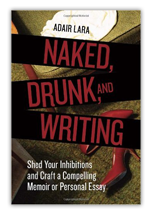
Naked, Drunk and Writing: Shed Your Inhibitions and Craft a Compelling Memoir or Personal Essay, by Adair Lara

Naked Drunk and Writing - Adair LaraWhile at first glance this book looks like it has nothing to do with blogging, learning how to craft a compelling personal essay is the essence of what most bloggers struggle with today. Whether or not you realize it, you are parading yourself naked and drunk every time you hit “publish” in WordPress.

Naked and Drunk is about two-thirds biographical and about one-third writing lessons. It weaves together Lara’s personal stories with lessons on how to structure a memoir with lessons and language mechanics.

This is the book you also want to read if you want to learn to effectively tell your own story. But don’t read it first.

You need to understand the elements of crafting a good story to fully appreciate and benefit from the lessons in Naked and Drunk. Read it after the storytelling books. Read it after you read Save the Cat.

Categories: Primarily structure with some mechanics

What’s in it for bloggers: You’ll discover how to see beyond the label “blogger” and craft your story to touch the lives of readers.

Buy this book on Amazon.com

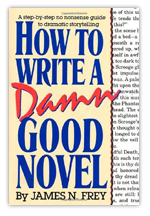
How to Write a Damn Good Novel: A Step-by-Step No Nonsense Guide to Dramatic Storytelling, by James N. Frey

How to Write a Damn Good Novel - James FreyDamn Good Novel is similar to Save the Cat in that it offers a structure and formula for constructing a novel, but it’s filled with more principles of good writing and examples of excellent storytelling.

If you haven’t figured out by now, structure and storytelling are critical skills to becoming a successful, or even merely competent, writer. The more you can learn about storytelling in all its forms, fiction or non-fiction, short or long, the more tools you have in your writer’s tool box.

With tens of thousands of new blogs created every day, according to WordPress.com, compelling storytelling is the one proven method of setting your writing apart from the masses.

Categories: Primarily structure and storytelling

What’s in it for bloggers: This is cross training in storytelling. Don’t guess, don’t try to make it up and don’t waste time reinventing the wheel. Learn it; then make it work for you.

Buy this book on Amazon.com

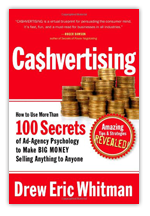
*CA$HVERTISING: How to Use More than 100 Secrets of Ad-Agency Psychology to Make Big Money Selling Anything to Anyone, by Drew Eric Whitman

Ca$shvertising - Drew Eric WhitmanTitle turn you off? Too money-grabbing for you? Skip this copywriting book at your blogging peril.

Face it: Successful blogging is persuasive writing in another suit of clothes. It doesn’t even matter if you want to make money from your blog or not. You need to connect with people (through stories) and persuade them you have a message worth reading or products worth buying (through copywriting).

Jon recommends this book for most bloggers because it has the most modern approach and best summary of the key points covered in the fundamental copywriting books.

Categories: Structure and using the mechanics of language

What’s in it for bloggers: Whether you’re a beginner or more experienced writer, take the time to learn what successful bloggers know about using psychology in your writing. At least, it will open your eyes to how you respond to the persuasive writing all around you without even knowing it.

Buy this book on Amazon.com

Books on Being a Writer

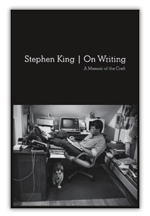
*On Writing: A Memoir of the Craft by Stephen King

Favorite: Best book on being a writer

On Writing - Stephen KingEven if you’ve never read any of King’s gory thrillers, read this book. Then reread it at least once a year.

Very much a memoir, King uses stories of his wild childhood to illustrate the making of a writer. Besides memorable stories, you’ll get insight into structure, key takeaways on mechanics and his opinions on what’s important to writing and writers. You get to peer inside his head and see how his mind formulates those bizarre ideas and crafts unworldly plots. You’ll be both awed and inspired to suddenly see story elements all around you.

Categories: Primarily writing life with frame of mind and structure insight

What’s in it for bloggers: The craft of storytelling to engage readers and keep them coming back for more (from the author of more than 50 worldwide bestsellers), and how to constantly think about what your readers are thinking so you can crawl inside their heads and freak them out.

Buy this book on Amazon.com

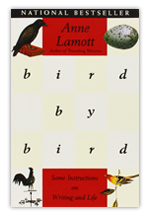
Bird by Bird: Some Instructions on Writing and Life, by Anne Lamott

Bird by Bird - Anne LamottLamott’s small book may be one of the best-loved on how to structure your writing frame of mind and the writer’s life. She so adeptly and invisibly reflects her thoughts and experiences back on the reader that you feel an intimate part of her personal stories – a rare and long-acquired storytelling skill.

This is another book to read at least once a year. And along with King’s On Writing, to copy by hand on paper to absorb some of the rhythm, cadence and magic of these classics.

Categories: Being a writer interwoven with frame of mind and approach

What’s in it for bloggers: Lamott could be a role model and idol for bloggers who want to use their personal stories to illustrate fundamental truths about life. You’ll so resonate with her stories, you won’t even notice when she talks about herself.

Buy this book on Amazon.com

Writing Down the Bones: Freeing the Writer Within by Natalie Goldberg

Writing Down the Bones - Natalie GoldbergGoldberg’s fresh observations will reintroduce you to the wonder, magic, curiosity and excitement that lured you into writing in the first place. Although published nearly 30 years ago, Goldberg would be a hugely popular blogger today if she filled a blog with her Zen-inspired posts on how to be a writer, how to beat procrastination, the beauty of language and how to be focused and spontaneous at the same time.

Back in my newspaper days, I read from the chapter, “Man Eats Car,” when asked to talk to elementary school classes about creative writing. Inspired by Goldberg’s example, I once wrote poems on demand for $1 during a church festival. Children stood there and stared at me, wide-eyed, as I wrote poems on their ideas – ballet, wrestling, the rain – in the pen color of their choice.

Categories: Frame of mind and being a writer

What’s in it for bloggers: If you need something gentle to jar you out of your same-old same-old writing rut and inspire you to see the world with fresh eyes, read this book.

Buy this book on Amazon.com

Read Your Way to Becoming a Better Writer

Your writer’s education is never complete.

And if you stay curious, the world is a generous teacher.

Every day, your mental kaleidoscope is filled with images and impressions you can use to create mesmerizing stories.

Books can bring structure and insight, but the constant search for exactly the right book keeps you from the job at hand – the act of writing.

So call off your search and focus on the nine books mentioned here.

Start by asking yourself a question:

“What do I need as a writer – right now?”

To sharpen the tools of your trade? Grab Zinsser’s book.

To get fresh inspiration on life as a writer? Pick up King, Lamott or Goldberg.

To learn a proven approach to structuring your writing? Read Save the Cat.

That you start is more important than where you start.

So get reading. Pick a book and start.

And then get writing. Because that’s what real writers do.

About the Author: In addition to managing the Serious Bloggers Only community, Marsha Stopa is SmartBlogger’s Senior Instructor and Coach. Over the past five years she’s helped thousands of students with their blogs in the GuestBlogging, Writer’s Recipe Box, Blog Launch Blueprint and former Blog Launch Formula courses. Whether it’s nailing your blog topic or audience, positioning, time management, promotion or monetization, Marsha’s coached bloggers in every imaginable niche. If you’re wondering if she can help your blog, drop her a note here with your biggest frustration.


from
http://redirect.viglink.com?u=https%3A%2F%2Fsmartblogger.com%2Fessential-writing-books%2F&key=ddaed8f51db7bb1330a6f6de768a69b8
Wednesday, July 13, 2016

269 Facebook Updates Algorithm. Bloggers, Pay Attention!

Facebook Algorithm Changed

Facebook Updates Algorithm. Bloggers, Pay Attention!

Have you noticed Facebook’s recent algorithm change? Are you wondering how it will affect you?

Are you thinking to yourself, “What am I supposed to do with all these changes?!”

In this episode, I talk about Facebook’s latest algorithm change and what you as a blogger can do to continue building your business in spite of it.

You need to be paying attention to these changes because they will affect how you reach your fans and followers not just on Facebook but across social media platforms.

Facebook History

Facebook’s history shows a pattern that can help us predict what might happen next. By knowing Facebook’s history, we can make better decisions about how to use it now.

Facebook was founded in February 4th, 2004 as thefacebook.com. It started off just being a way for college kids to connect with each other online. But as we know, it absolutely exploded and became a huge phenomenon.

Thefacebook Login Page

Thefacebook Login Page Source: Wikipedia.org

On November 7th 2007, Facebook introduced fan pages. This was a significant change, because it shifted the demographic of the platform from college students to young professionals. And at that time, it was relatively easy to reach your fans. If you posted something to the fan page, you could be pretty sure that your fans were going to see it in their news feeds.

So fans became very valuable, and you could even purchase more fans. Facebook actually encouraged this. The idea was that more fans meant more people were seeing the posts to your fan page.

On March 30th 2012, Facebook introduced Timeline for all pages. Prior to this point, timeline had been opt-in for fan pages. The idea was that Timeline would be a unique opportunity to tell your story in a more engaging way.

But this is the interesting thing: people started noticing that it was becoming harder and harder to reach their fans. And as time went on, the problem seemed to get worse. People started complaining.

And so a study was conducted. And it showed that organic reach–that is, influence that you’re not paying for–had dropped drastically between 2012 and 2014. In 2012, organic reach was about 16%. By 2014, it had declined to 6.5%. That’s more than a 50% decrease. And for very popular pages, with 500k likes or more, organic reach has dropped to just 2%.

Organic-Reach-Chart

Organic Reach Chart Source: social.ogilvy.com

Let’s put that in perspective: that’s one-fiftieth of your fans that you’re reaching through Facebook. If you had 1000 fans, you’d be reaching just 20 of them.

And this decline has only continued since 2014. It’s actually even worse now than it was a couple years ago.

Facebook’s New Algorithm Change

Facebook Algorithm 1

Facebook Algorithm

Facebook is always tweaking its algorithm to make sure that you’re seeing what you want to see. And every time they change the algorithm, Facebook puts out a few very vague statements to page owners. They say things like:

“Some pages may see a small increase in referral traffic, and some pages might see a minor decrease.”
“We do not expect most pages to see significant changes in distribution as a result of this update.”

So basically, they’re saying nothing. And every time they make these kinds of statements, organic reach seems to go down significantly.

On June 29th 2016, Facebook announced another big change. They’re building a “better newsfeed” for you. In essence, they’ve said that the new newsfeed will feature friends and family at the top of your feed. This makes perfect sense: these are the people that you come to Facebook to connect with. These are the people you care about. And Facebook made this decision based on data it gathered from its users about what they want to see.

After you’ve seen updates from friends and family, Facebook’s data shows that you want your newsfeed to inform and entertain. You want to know what’s happening with the latest celebrity scandal. You want to see that great cat video everyone’s been talking about. These are the reasons that regular people use Facebook.

Notice that marketers, bloggers, people like us are left out of that equation. And for the very first time, Facebook has made a clear statement that organic reach for pages is going to go down:

Facebook_Algorithm_Changes_Effect_on_Pages

News Feed FYI Source: FB Newsroom

Now, when Facebook has made changes in the past, and they’ve said that reach may or may not decline, it went down significantly. So when they actually come out and say that it’ll decline, you know it’s going to go down even more.

My Thoughts

So what do I think about all this?

Facebook Page Interactions

Facebook Page Interactions

Actually, I think Facebook is being smart. They’re doing what they need to do to survive, and they’re doing what’s best for their business. People don’t go to Facebook to be marketed to. And there’s a lot of crap on Facebook that clutters up your news feed.

There’s also been a huge decline in people posting stuff about themselves on Facebook. If that trend continues, Facebook could be the next MySpace, and they obviously don’t want that to happen. So this change needs to happen. I actually think they’re doing the right thing for their users and their business. They need to keep bringing people to that platform, because more users means more money for them. And they have their investors to think about, too, because Facebook is a public company. So this is a good business decision.

But what does it mean for you and I? I have a few ideas:

1. The only constant is change.

Facebook will continue to update its algorithm, and what worked yesterday will not work tomorrow. What works today won’t work in the future. So we need to be prepared to keep changing.

2. We can no longer depend on Facebook for organic reach.

Organic reach might not be dead just yet, but it’s definitely on life support. The exceptions are things like video and especially live video, which Facebook is privileging right now.

3. This is bigger than Facebook.

The algorithm thing has worked really well for them, and other social media networks are following suit. Instagram, Twitter, and Pinterest all use algorithms now. Is Snapchat next? It’s the logical progression for a network as it gets bigger and bigger.

So what can we do? I reached out to bloggers through a webinar, and my friend Mitch shared his top 3 tips:

  • The first one was content.
  • The second one was…content.
  • And the third one…oh yeah, CONTENT.

Here’s the reality: building a blog is harder than ever, but it’s also more essential than ever. Social media will change all the time, and you don’t have any control over that. What you do control is the quality of your content and your platform. If your blog is strong and you’ve got a great email list, who cares what Facebook is doing?

To Do

To Do List

To Do List

1. WORK HARD.

Get the job done. Put out great content.

2. Get people there.

Play around with strategies for moving people from social media platforms onto your page.

3. Build your email list.

This one is actually really, really important. This should be your primary focus. Don’t leave yourself at the mercy of Facebook. Make sure everything you do has the goal of getting people onto your email list. This keeps you in control of your business, and it’s more important than ever.

4. Have a business model.

If you’re just winging it, and you don’t have a plan, you’re not doing everything you can to build your business. If you don’t know how to make a business plan, you can search around online, or join my coaching club.

Remember what Henry Ford said:

“Whether you think you can, or you think you can’t, you’re right.”

YOU should be in control of YOUR business, not Facebook. Stop focusing on building up Facebook’s business (and Twitter’s and Instagram’s and Pinterest’s…) and start focusing on building yours.

Infographic

Facebook Updates Algorithm. Bloggers, Pay Attention!

Facebook Updates Algorithm. Bloggers, Pay Attention!


The post 269 Facebook Updates Algorithm. Bloggers, Pay Attention! appeared first on Become A Blogger by Leslie Samuel.


from
http://redirect.viglink.com?u=http%3A%2F%2Fwww.becomeablogger.com%2F23337%2Ffacebook-updates-algorithm%2F&key=ddaed8f51db7bb1330a6f6de768a69b8

Thursday, July 7, 2016

Writer’s Block: 27 Ways to Crush It Forever

Let me guess…

You’re staring at the blank screen. Your brain is fried. You can feel a headache coming on.

You know you should be writing, but…

You can’t do this anymore. Your muse is gone. Your well of inspiration is empty. Finished.  Stone-dry.

You’re not just bored or tired. No, no. This is far worse:

Writer’s block.

You try to stop your mind wandering off. You try to stop being distracted by your long to-do-list. You try to write, but you feel like everything you do manage to jot down is… well… terrible.

You know you have to keep going, but how? How can you get back into your writing groove?

The truth:

You need to have some fun.

Not take a break, not go for walk, not get some sleep. All of that is fine and good for a simple case of boredom, but the real cause of writer’s block is you’re holding on too tight.

You need to loosen up. You need to go a little crazy. You need to let the goofy side of you out for a little while and get your creative juices flowing again.

Here are 27 wacky ways to get you started:

1. Talk to an imaginary friend

Whether you’ve 10 readers or 10,000, thinking about them makes writing a post daunting.

So, forget about your readers. Instead, create an imaginary friend.

Your friend is a real fan. He (or she) loves everything you write. He supports everything you do.

Give your imaginary friend a name. Create a little drawing or find a picture of a lookalike. Pin this picture on the wall above your desk.

Instead of writing a blog post, start a conversation with your friend. Or write him a letter. Discuss his dreams and challenges. Help him with whatever he is struggling with.

Be a good friend.

2. Curse like a sailor

Feeling a little frustrated?

Well, let it out.

Before you start writing, curse like a sailor. Get angry. Be emotional.

Write something you’re passionate about. Have a good rant. Don’t worry about going too far.

Good writing isn’t about picking the right words. You need to make your audience feel something. Inspire them.

Writing is emotion.

Sure, you’ll have to edit your first draft. You might even decide to toss it.

Just remember: you can correct mistakes in a passionate piece of writing, but you can’t add emotions to a flat post. So, let it rip.

3. Use a different writing tool

Stuck in a creative rut?

Try using a different writing tool.

Switch from Microsoft Word to Google Docs. Or type your post directly into WordPress.

Switch from a serif to a non-serif font. Or try a script font and change your font color to blue. Or my favorite option: Increase your font size.

It seems silly, but it’s amazing how those small changes can make writing interesting again.

4. Take a short trip

Missing your family? Got a friend you haven’t seen in a while?

Well, let’s go see them.

The key:

Don’t drive.

Instead, hop on a bus, a train, or a plane that takes you there. Then challenge yourself to write a short post before you arrive.

My advice: leave your iPad or laptop at home. Just bring your mobile phone or a pad of paper.

And don’t stop writing until you arrive.

5. Chug some caffeine

Okay. Okay. I know caffeine isn’t good for you. But sometimes you need something to keep going. Don’t waste your fantastic ideas just because you can’t keep awake.

Try this schedule: Set a kitchen timer for 25 minutes – or use the focus booster. After 25 minutes of concentrated writing, take a break. Stop even if you feel like finishing a paragraph.

Make yourself a cup of tea or coffee. Start your next 25 minutes and drink your cup of coffee.

Green tea fuels my blog posts. What fuels yours?

6. Stop writing for your readers

Sometimes you just have to write something you want to write. It doesn’t matter whether it suits your blog or not.

Just get on with it. Get it off your chest. Why not?

7. Stop planning your posts

Writing a post outline can speed up your writing. It’s a proven technique.

But it can also suck the joy out of writing.

When you find yourself bored with a particular piece, stop planning. Write whatever comes into your mind. It may all be gibberish, but somewhere you’ll find a precious idea. A thought you can use to create a full post.

8. Surprise yourself

Give your mind time to wander. Get distracted. Embrace serendipity.

Don’t read only blogs about your topic. Don’t just follow industry peers on Twitter. Don’t just read the latest books of thought leaders in your niche.

Go to a random movie. Watch a random channel on TV. Go to a museum. Surprise yourself. Find unexpected metaphors.

The creative process is unpredictable, mysterious, and serendipitous (Malcolm Gladwell). Fuel your creativity by reading outside your niche.

9. Write at a different time

We’re always told about the importance of forming habits and having a fixed writing schedule. Stephen King has a fixed schedule. So does Haruki Murakami. And John Grisham.

Routine habits can be good for creativity. But what if your writing practice gets associated with lack of inspiration, procrastination, and despair?

Break your habit.

Try writing at a different time. Experiment.

10. Write at a different place

Leaving your desk is a proven cure for creative blocks. If you can, take a break and go travelling. If you can’t travel, just drag yourself away from your desk.

Go to a park. Try your local Starbucks or go to the library. Go somewhere that’s not associated with work.

Take your iPad and write wherever your feet take you.

11. Go to a bookstore

If you’re lucky, your bookstore sells coffee and tea. So, make yourself comfortable, find the shelf with books about your niche, and open up your notepad. (Thank you to Sean d’Souza for this idea.)

Look through the table of contents of each book to find blog post ideas. Write them down in your notepad.

Don’t leave the bookstore until you’ve written down 10 ideas for new blog posts. And if you’re enjoying yourself, outline one or two posts in your notepad while finishing your cup of coffee.

Don’t read any further than the table of contents. You should write the content of your blog post yourself (of course).

12. Wash the dishes

Do you get your best ideas in the shower?

Your brain needs to relax before coming up with an insight. Staring at your computer screen might work counterproductive.  Trying to force an insight might actually prevent the insight from appearing.

If you don’t want to waste water by showering three times a day, try other routine tasks: Hoover your room. Fold the laundry. Or wash the dishes. Above all: Relax.

13. Create your own merry-go-round

Done all your household chores? Or just don’t feel like cleaning again?

Try this alternative routine: walk around in circles. Or just pace up and down your room.

Seems silly, I know, but sometimes just the simple act of movement can get you going. Give it shot.

14. Shut down your computer

In his book Steal Like an Artist, Austin Kleon describes his digital and his analogue desk. The analogue desk is where his work is born. The digital desk is for editing and publishing.

Come on. Shut down your computer. Get a pen and paper. Or pencils, markers, and index cards. Get the feeling that you’re making something. It will inspire you.

15. Browse your photo albums

Sharing tidbits about yourself is a good way to build up a relationship with your readers.

Browse your photo album to find anecdotes to share; and link these stories to your topic. That’s how I came up with the idea of comparing cycling trips with surviving a content marketing journey.

Remind yourself of who you are. Think about the lessons you’ve learnt. Who has inspired your career? How have your travels influenced your thinking?

16. Stop worrying about grammar

Trying to write the perfect post can discourage you from writing.

Stop trying to be perfect.

Accept your first draft may be crappy. Just write as fast as you can. Editing can come later.

17. Goof around on Facebook, LinkedIn or Google Plus

Social media can be a huge time suck. We all know that.

But if you’re stuck and don’t know what to write about, then social media is a rich mine full of precious ideas.

Give yourself half an hour. Interact and ask some questions. Enjoy yourself.  Above all, absorb what others are talking about. You’re bound to find a good idea.

Just be sure to set a timer. You don’t want to get lost out there.

18. Start in the middle

You know you need to draw a reader into your post with a fantastic introduction. That’s true. But trying to write the perfect opening can obstruct your writing process.

Leave your introduction for later. Just get going with your post.

19. Reread your glory posts

Feeling down?

You’ve lost your mojo and doubting your writing skills. It happens to all bloggers at some stage.

Remember that post you’ve written a while back? Your best ever post?

Go back and read the post. Word by word. You see how good you are?

That talent didn’t go anywhere. It’s still inside you.

Sometimes we just need a little reminder.

20. Take a cigarette break

Whoa. A smoke?

Well, you don’t have to light up. But a cigarette break takes about five minutes. And that’s the perfect time to recharge yourself.

The secret to creative productivity is to take breaks while you’re still in a flow. It helps you to get started again after your break.

If you don’t crave a cigarette every so often, good for you! Just set a timer to take a break.

Don’t spend your break tweeting, liking, and plussing. That’s not truly relaxing.

Spend five minutes staring out of the window. Stand outside on your porch or balcony and listen to the traffic. Or watch the clouds float by. As if you’re a lonely smoker.

21. Listen to the rain

What’s the most relaxing sound?

When you take your “cigarette” break to stare out of the window, switch on the sound of rain.

22. Be a misfit

Being a blogger isn’t about conforming to the norms.

Don’t feel the pressure to be like your hero bloggers. You have to stand out on the web. You have to be YOU.

Accept you’re a misfit. Just like me. Just like Jon. Just like all other bloggers.

Be yourself. Enjoy yourself. Because your enthusiasm is contagious.

23. Steal ideas

Is your wish to be original blocking you?

Learn how to steal ideas and make them your own. Snatch post ideas from different writers, but don’t copy outright.

Read widely. Mix ideas from scientists and artists. Plunder quote books.

As Austin Kleon says: “All creative work builds on what came before.”

24. Read health magazines

I won’t lecture you about keeping fit. You know that.

But health magazines are one of the best sources for headline and blog post inspiration.

For instance, the idea to write 36 Quick Fixes to Jumpstart Lifeless Business Blogs came from the headline Food Fixes for Insomnia.

You don’t have to go out and spend money to buy a few magazines. Read covers of Men’s Health Magazine or Women’s Health Magazine online. Or check out the health section on Amazon.

25. Reread your first ever blog post

If you’ve been blogging for six months or more, you’ve written a lot. And you’ve learnt a lot.

Go back to your first few blog posts.

Find one you can rewrite. Add new insights, new arguments, and new examples.

Voila. You got a new post.

26. Create weird challenges

Is writing becoming a chore? Fed up with writing how-to posts?

Create new challenges to have some fun. For instance:

  • Introduce a new metaphor in your next post. Or set the bar higher by stipulating your metaphor has to some from sports, or movies, or cooking.
  • Estimate your average post length and challenge yourself to write a post in 20% fewer words.
  • Try alliteration. Or rhyming. Or onomatopoeias.
  • Use the power of three. How often can you introduce three of something?

Tickle your brain to make writing fun.

27. Get your inner critic on your side

The difference between good and great bloggers is your inner critic. As Mike Monday says:

A good producer and a great producer have the same number of ideas – some good, some great. But a great producer will know the difference.

Your inner critic can help you become a better blogger. So how do you get him on side?

Start writing a few practice paragraphs. You’re just warming up. Listen to your inner critic to see how you can improve. Write and edit as you go.

Your inner critic doesn’t need to be your enemy. Make him your friend.

The truth about writer’s block

Writing is hard work. There’s no doubt about that.

But you can make it even harder by accepting writer’s block.

Don’t become a tortured genius.

Choose to get on with writing.

Experiment. Find out what works for you. Write where and when you like. Be as crazy as you like to be.

Come on. Have fun. Let’s try something wacky.

About the Author: Henneke Duistermaat is an irreverent copywriter and business writing coach. She’s on a mission to stamp out gobbledygook and to make boring business blogs sparkle. Get her free 16-Part Snackable Writing Course for Busy People and learn how to enchant your readers and win more business.


from
http://redirect.viglink.com?u=https%3A%2F%2Fsmartblogger.com%2Fwriters-block%2F&key=ddaed8f51db7bb1330a6f6de768a69b8
Wednesday, July 6, 2016

268 How to Get Your Blog to a Thousand Dollar Month – with Arne Gahmig

268_Arne Gahmig_Pinterest

How to Get Your Blog to a Thousand Dollar Month – Arne Gahmig

Who: Arne Gahmig
Blog/Website: How to Windsurf 101
Facebook Page: How to Windsurf 101

Are you ready to take the revenue from your blog to the next level?

Do you feel like you haven’t got enough time to devote to your blog?

Arne Gahmig is here to share his journey from $8.70 in ad revenue to his first thousand dollar month. The amazing part? He only spends 30 minutes per day blogging. In this episode, he’ll share his secrets for sticking with your blog and taking things to the next level.

Arne’s Story

Arne’s blog is howtowindsurf101.com, and it’s a side project that he’s been working on since 2014. He’s been a windsurf instructor on and off since 2004, and he’s obviously passionate about helping people learn the sport. He just had his first thousand dollar month! His blog wasn’t an overnight success story, and it definitely hasn’t been easy.

In this episode, we’re going to talk about the steps he took to reach this point. His story is really inspiring for anyone who’s just starting out, or even someone who’s starting to get some traction.

The Thousand Dollar Month

I asked Arne what products he sold in order to reach his first thousand dollar month. He told me about the re-launch of his video course, which he put out in June to mark the third anniversary of his blog.

He made the first version of the video course a couple years ago, but he’s been redeveloping it for the past few months. He re-launched it to his email subscribers at $97, with a goal of ten sales. His tenth sale came in right under the wire, but he achieved his goal!

Video_Tutorial

Video Tutorials at the How to Windsurf 101 Academy

This is a fantastic result, especially because Arne’s email list isn’t huge right now–he’s got about 750 subscribers. So let’s take a look at Arne’s journey to his thousand dollar month.

Arne’s Journey

Howtowindsurf101.com started in June 2013, but Arne’s journey with internet marketing started a little bit earlier than that. Back in 2011, he was a sales rep in the UK, and he started looking into social media and blogging as ways to increase his customer base.

That’s when he discovered Yaro Starak and Adam Short, and he signed up for the Niche Profit Classroom course. They made it easy to get started by worrying about all the SEOs and Google algorithm stuff for you, and within a few months, Arne had his first income from the internet.

NPC

He was running a site at the time about improving your brainpower, and he managed to land on the first page of Google. After a couple of ad clicks, he’d earned $8.70. That might not sound like a lot, but for him, it was a really important moment. He says that his reaction was, “Yes! It works, it really works. I’m hooked.”

And then, Google hit him with panda or penguin or one of those animals it likes to throw at you. It changed the algorithm, and his site was no longer a top hit. But by then, Arne had the motivation to keep going, and he fully committed to making his site work. However, because he wasn’t passionate about the topic, it never really took off.

He was still interested in blogging, though, and he kept working on smaller side projects to improve his skills. Then one day, while working at his parents’ windsurfing school in Tenerife, he met someone who worked in internet marketing. The man suggested that he start a blog about windsurfing.

It was something Arne had thought about before, and his experience up to this point told him he needed a strategy. He knew the topic was too niche to really make any money from ad revenue, so he started thinking about other products he could offer. A video course was on his mind from the beginning.

Unlike his first blog, he was able to create the content for howtowindsurf101.com pretty easily, because he knew the topic really well and didn’t need to do any research. He said that his first version of the site was “terrible looking,” and he initially had just 5-10 visitors per day. But he kept at it.

When he initially launched the site, Arne didn’t include an opt-in form right away. Instead, he focused on building up great content. He also put together a free email course for his subscribers. It was 9-email sequence to give his subscribers the basic steps to begin windsurfing. After the email course was ready to go, he added his opt-in form. That way, his subscribers were getting great value as soon as they signed up.

How to Windsurf Free Email Course by Arne Gahmig

The Build Up

5

Leverage Online Relationships

Once he had things up and running, Arne started leveraging his offline relationships to help his online business. For example, his dad’s windsurfing site has always done really well on Google because he does a daily update about the wind conditions and the forecast for the week. Arne’s dad linked back to howtowindsurf101.com, which helped boost traffic.

Arne also took advantage of someone he met through teaching at the windsurf school who had an authority site. After a couple months, he was seeing 20, 30, 40, even 50 visitors a day on the blog.

Shortly after that, a popular Facebook page shared one of Arne’s articles from his blog. This caused a HUGE spike in his traffic: 12,000 visitors in 2 days! After that it dropped back down, but the numbers stabilized at around 100 visitors per day, or double what he had been seeing before. He started to get more subscribers signing up, too.

Next Steps

At this point, Arne had accumulated enough material for an ebook, which he launched to his email list in June 2014. At the time, he had about 100 people subscribing.

Now this is really cool: his ebook is composed of the same content as his blog, but in a format that is easier to access. Everything is in one place, and you don’t need wifi or 3G to read it, so it’s very convenient for people.

He priced the ebook at $19.97. After the first launch, he sold 11 copies. That’s a fantastic conversion rate on an email list of 100 people. I’d be thrilled if 11% of my email list was making purchases!

What helped Arne achieve this success was his engagement with the email list. He invited questions and responses at the end of his autoresponder emails, for example. He also provided great content with his 9-day email course, and he asked his subscribers for feedback on their experience. He wanted to know how he could improve, and he made changes to the course based on his subscriber’s suggestions. This is a fantastic way to connect with your audience, especially when you’re just getting started.

How to Windsurf 101 Free ebook

Later that summer, he set up the ebook to run on “autopilot,” and made a few more sales that way. Then, in late 2014, he started getting coaching from me! Why? Because it’s so important to have a mentor and to have someone who’s made all the mistakes before you.

During my time coaching Arne, he had a very specific goal: he wanted to be earning $500 per month, and he wanted to be getting 50 new subscribers every month.

The Video Course

This was the point at which Arne started seriously working on his video course. He had some footage of his then-fiancĂ©e (now his wife!) learning to windsurf, so he used that as the basis for the course. He filmed her on a GoPro because of the beach environment, and he recorded the audio using his iPhone and headphones with a built-in microphone. He did the editing in iMovie. It just goes to show that you don’t need really fancy equipment to get the job done!

He started with 5 videos in order to validate the idea, to see if there was enough interest to justify creating a full-length course. Each video was about 6 minutes long, and he charged an early-bird subscriber rate of $25. At the time, he had 200-250 subscribers.

The 5-video course launched in December 2014, and by January, Arne had added more videos. He increased the price to $47 at that point. The first 5 were the basics of windsurfing: everything you’d need to know to go out and give it a try on your own. The videos he added in January were more advanced topics, like what to do in high wind.

Videos

Windsurfing – Some of the Beginner Videos

After that, he offered an upsell option that he called the “Power Pack.” It included the video series plus his ebook, and was priced at $57 (as opposed to the full price of $66.97). This was a really popular option, and Arne found that people either bought the ebook alone or they bought the Power Pack. Very few people purchased the videos without the ebook.

Then life got in the way for about a year.

But one day, someone emailed to ask for a refund on the video course. They had been expecting higher quality videos and audio, and the course didn’t live up to that standard. Arne saw this as an opportunity to update his video course, which was exactly what he’d been wanting to do for a while.

So he re-shot the demonstration videos with his wife (still using a GoPro), and made higher-quality audio using his laptop indoors instead of a phone outside with wind in the background. He also updated his ebook with all of new content he’d created since it launched. All of these upgrades justified a higher price.

The video course is now an annual subscription service, and subscribers pay $97 per year to get the ebook plus a new video every month. Arne also produces a digital magazine that’s all about teaching people how to windsurf. Having sold ten of these subscriptions in June 2016, he’s just had his first thousand dollar month!

Take Home Points

So what are the key things you can learn from Arne’s story?

1. Content is King

The article that got Arne his fifteen minutes of fame on Facebook was called Windsurfing vs. Kitesurfing. Apparently there’s a rivalry between the two sports, so the title really drew people in. But because Arne is both a windsurfer and a kitesurfer, his article also offered a unique perspective and was more balanced than most other articles out there. He thinks that this is why the post was so successful.

Windsurfing VS Kitesurfing

Windsurfing VS Kitesurfing

It’s SO important that you provide amazing value for your visitors and subscribers, and Arne’s able to do exactly that because he has detailed knowledge of his topic, and he’s passionate about it.

2. Do a little every day

Even when you love what you do, life gets in the way. Arne’s got a wife and new baby, after all! So he doesn’t spend huge amounts of time working on the blog every day. Usually, it’s 30 minutes a day.

He’s also in the habit of writing for 10 minutes every day. It doesn’t sound like a lot, but it really does add up! Thirty minutes every day is 3.5 hours a week. You can absolutely do what you’re passionate about even if you’re strapped for time. Just focus on taking one small step each day.

3. Keep going

The thousand dollar month was 5 years in the making for Arne. Don’t give up when the going gets tough. Keep at it, keep learning, keep trying new things, and eventually you will see those results.

Resources Mentioned

Infographic

How to Get Your Blog to a Thousand Dollar Month - with Arne Gahmig

How to Get Your Blog to a Thousand Dollar Month – with Arne Gahmig

The post 268 How to Get Your Blog to a Thousand Dollar Month – with Arne Gahmig appeared first on Become A Blogger by Leslie Samuel.


from
http://redirect.viglink.com?u=http%3A%2F%2Fwww.becomeablogger.com%2F23306%2Fthousand-dollar-month-blog%2F&key=ddaed8f51db7bb1330a6f6de768a69b8
Friday, July 1, 2016

Facebook CHANGES! They plan to ruin your reach AGAIN (but I have 3 ways to fix it)

So, the New York Times just reported that Facebook intends to change their algorithm… AGAIN. This time Facebook plans to emphasize updates from friends and family over other things like “business pages.”

And I have a HUGE smile on my face.

Why?

Over the next few days people will complain about their decision. Especially when they see their traffic and reach disappear over night. And if you rely heavily on your Facebook page, I would be PETRIFIED.

But me? I didn’t even break a sweat. You know why? I put all my effort into building my blog and email list. And that’s it.

Yes, I have a Facebook page. A pretty popular one at that. So, will the change hurt?

Sure, maybe a little. But I don’t rely on my Facebook page.

You see, when I think about growing my business online, I believe people should focus on building assets they own… assets like their blog… their email list… their real-life connections… their business partnerships… and things like that…

…because no one can ever take that from you.

If you use one email provider to deliver your email, and they piss you off, you can export your email list and go to a new provider. If you you create content day in and day out for a platform like Facebook, and Facebook changes their algorithm, you’re screwed. But if you create it on your own blog and turn your blog into a destination for people… no one can take that from you either.

The question is, how can you build a popular blog and email list WITHOUT something like Facebook?

Tip #1: Yes, design is king in the first few seconds, but content will become even more important than ever.

I’ll explain why, too.

As the New York Times explains, these changes “”will have less of an impact, however, if most of a publisher’s traffic comes from individual users sharing and commenting on their stories and videos.”

Meaning, if you already have an audience of people who love your content, and WANT TO SHARE IT, your traffic will do just fine.

So, if you create a great piece of content, email your email list, and they like it enough to share it, you’ll still get plenty of social traffic.

And that’s good news.

However, you’ll still need that initial bump in traffic to “generate” the shares. If you’re relying on your Facebook page to create that “initial” bump, you likely won’t get that as much anymore. However, if you have an email list, you’ll be JUST FINE.

Tip #2: You’ll need to DOUBLE DOWN on building your email list

Look, I’ve said this for years, but I’ll say it again: if you’re not building your email list, you’re an idiot. I even filmed a video all about it right here:

This email list will become more important than ever. Especially if you want to distribute your content with hopes of that content gaining shares. Facebook won’t send you the traffic, but if you can get your existing people to share, they can. So you’re set.

Now you might think, “Well, I’ll just rely on some other social media platform.” But don’t do that. How many times do people need to learn their lesson the hard way? BUILD YOUR EMAIL LIST.

Tip #3: The best way to build your email list doesn’t even involve social media…

Now that you know the importance of the email list, you’re likely thinking: Okay, how do I build it if I can’t rely on Facebook for traffic?

Well…

I’ve got great news. The best way to grow your email list doesn’t even require you to use social media. And I show you how to do it inside this FREE EBOOK called: “How to Get 5,000 Subscribers.”

And yes, of course, you need to opt in to download it. Because I practice what I preach. So go download the ebook now.


from
http://redirect.viglink.com?u=http%3A%2F%2Ffeeds.socialtriggers.com%2F%7Er%2FSocialTriggers%2F%7E3%2F_LOkCxNEyQo%2F&key=ddaed8f51db7bb1330a6f6de768a69b8